Proper Footwear Prevents Pain
How can proper footwear prevent chronic foot pain? What is “proper footwear”? How can I find the proper footwear?
“Proper footwear” can be described as things you can wear on your feet to optimize your daily performance and comfort tailored to what is proper for your lifestyle.
Finding proper footwear starts with understanding your feet, your activities, and the support you need. Follow these steps to make a smart choice:
1. Measure your feet regularly
Have both feet measured (length and width) each time you shop — foot size changes with age and weight. Measure later in the day when feet are naturally a bit swollen.
Use the larger foot as your guide.
2. Know your foot type and gait
Determine arch type (low/flat, neutral, high) with a wet test or a professional fitting.
Consider a gait analysis if you have pain, uneven wear on shoes, or if you’re a runner/walker. A trained fitter can observe how your foot strikes and recommend appropriate stability or motion-control shoes.
3. Choose shoes for the activity
Everyday casual: prioritize cushioning and a roomy toe box for comfort and circulation.
Work shoes: look for slip resistance, adequate arch support, and cushioning based on job demands (standing vs. walking).
Running/walking: select shoes built for your gait and the distances you cover; replace regularly based on mileage and wear.
Dress shoes: find styles with built-in support or use custom/over-the-counter orthotics; avoid narrow, pointed toes for prolonged wear.
Specialty needs (diabetes, arthritis, plantar fasciitis): seek protective, supportive footwear and consult a podiatrist or certified fitter.
4. Focus on fit, not size
Shoes should fit at the widest part of your foot and allow about a thumb’s width of space at the toe for walking.
Heel should sit snugly without rubbing; the shoe should neither pinch nor allow your foot to slide forward.
Wear the type of socks or orthotics you normally use when trying shoes on.
5. Inspect construction and materials
Look for a stable heel counter, flexible forefoot with some bend, and a supportive midsole.
Breathable uppers (mesh, leather) and cushioned insoles enhance comfort.
Quality outsoles provide traction and durability appropriate to your activity.
6. Test shoes before buying
Walk on hard and soft surfaces if possible, and try turning and climbing stairs to check comfort and stability.
Spend at least 10–15 minutes walking in the shoes; minor break-in is
7. Consider orthotics and customization
Over-the-counter insoles can add cushioning or arch support; removable footbeds make customization easier.
For chronic pain or structural issues, visit a podiatrist for custom orthotics.
8. Replace shoes on schedule
Replace running shoes every 300–500 miles; replace everyday shoes when cushioning and support degrade or tread/worn areas appear.
Signs it’s time: increased discomfort, uneven outsole wear, collapse of midsole cushioning.
9. Get professional help when needed
A certified fitter, pedorthist, or podiatrist can evaluate fit, gait, and special needs, and recommend footwear or orthotics tailored to you.
Choosing proper footwear protects foot health and improves comfort and performance. If you’d like, we can schedule a fitting at Foot Savi to measure your feet, analyze your gait, and recommend shoes or custom options tailored to your lifestyle
Proper footwear plays a crucial role in preventing chronic foot pain by providing adequate support, cushioning, and alignment tailored to an individual’s foot shape and activity level; shoes with the right arch support distribute pressure evenly across the foot, reducing strain on tendons and ligaments, while adequate heel cushioning absorbs shock to protect joints and the plantar fascia, and a roomy toe box prevents compression that can lead to bunions and neuromas. Custom or properly fitted shoes can correct biomechanical issues such as overpronation or supination, minimizing abnormal wear and tear on muscles and joints up the kinetic chain, which in turn reduces the risk of chronic ankle, knee, hip, and lower back pain. Regularly replacing worn-out footwear and choosing shoes appropriate for specific activities—walking, running, work, or casual wear—also preserves their supportive properties and prevents repetitive stress injuries. In short, investing in properly fitted, supportive footwear is a simple, effective strategy to maintain foot health and prevent long-term pain.
Proper footwear supports your foot’s natural shape and movement, offering a stable heel, adequate arch support, a roomy toe box to prevent crowding, and cushioning tailored to your activity to absorb shock and reduce strain. It should fit well—neither too tight nor too loose—with enough depth for orthotics if needed, breathable materials to manage moisture, and a sole that provides traction for the surfaces you encounter. Choosing shoes designed for the specific demands of walking, running, work, or casual wear helps prevent pain and injury, while regular replacement when cushioning and support break down keeps your feet comfortable and healthy over time.
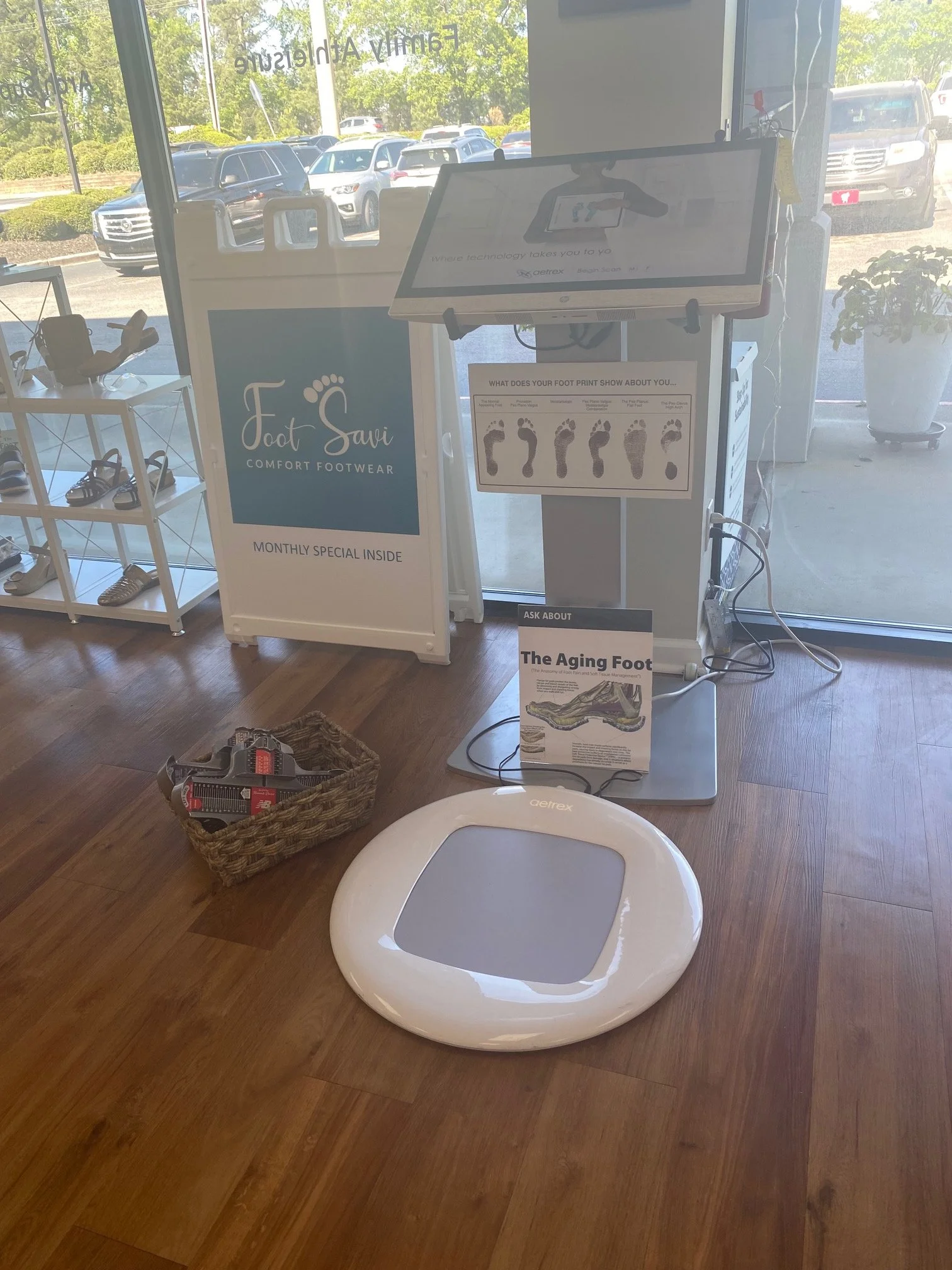
Measuring Tools to Fit Proper Footwear